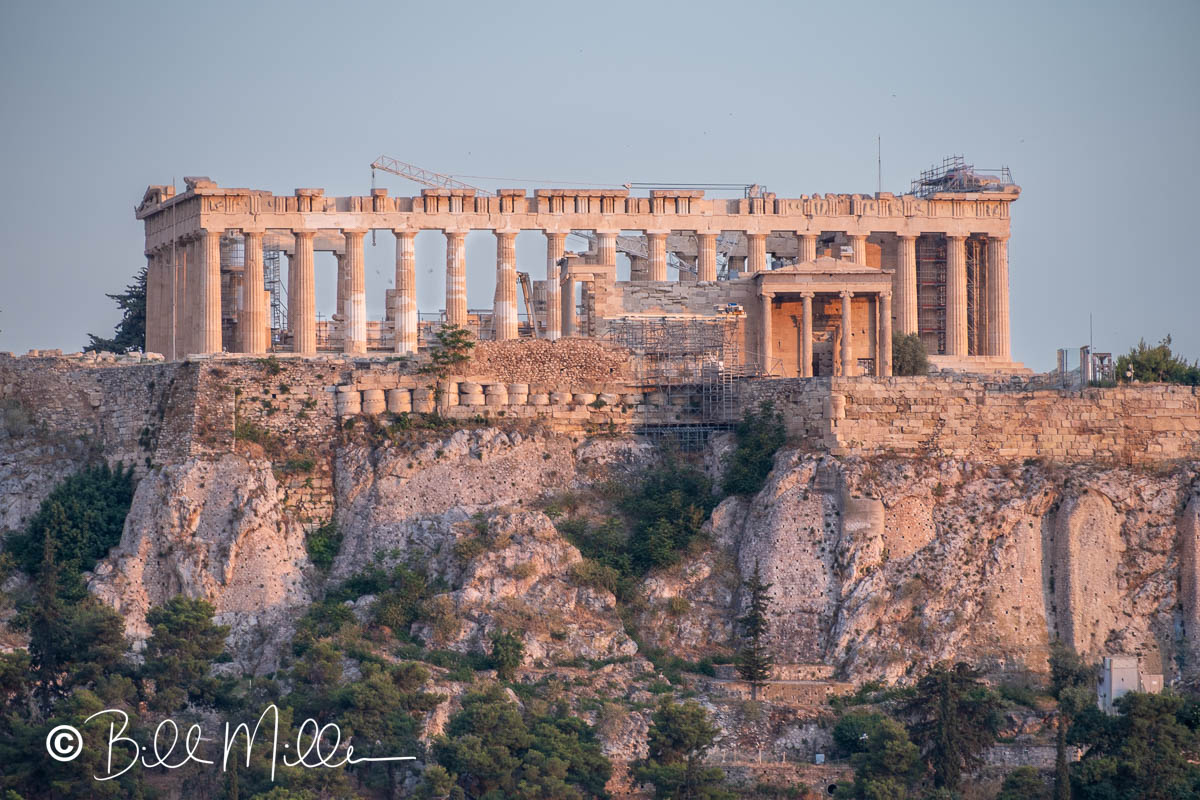
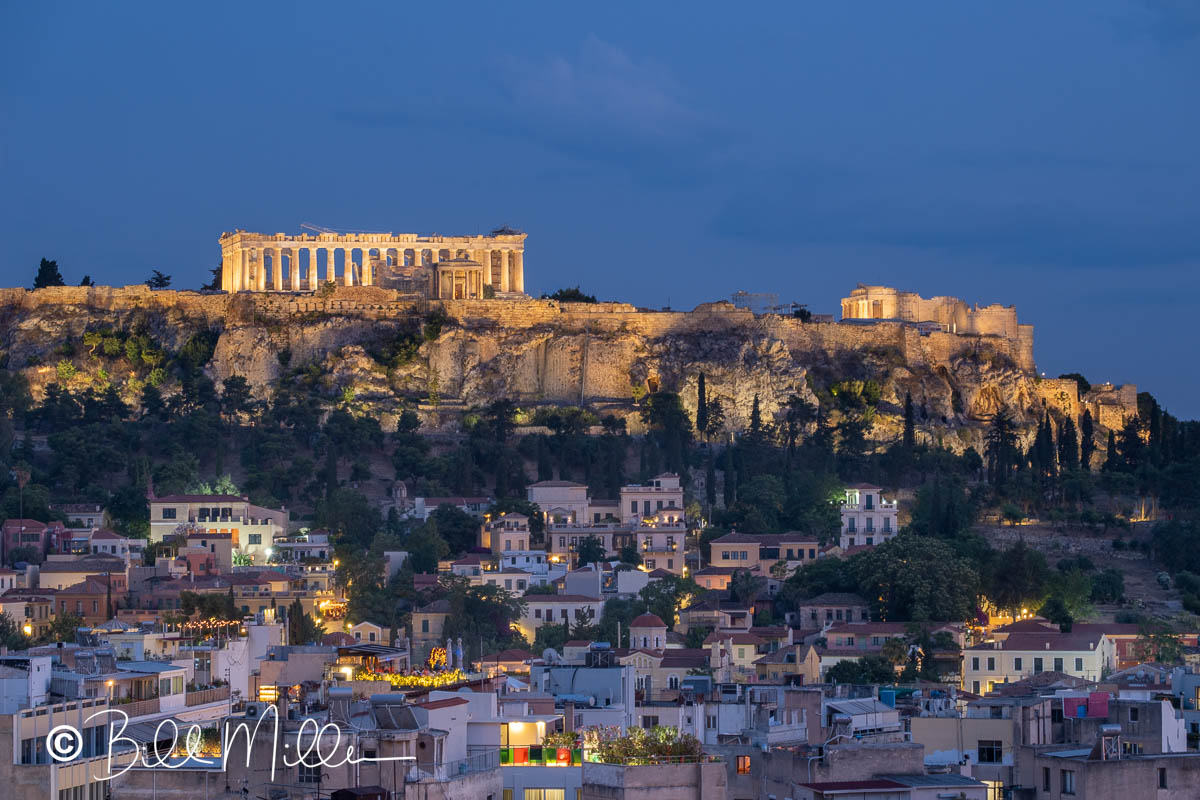
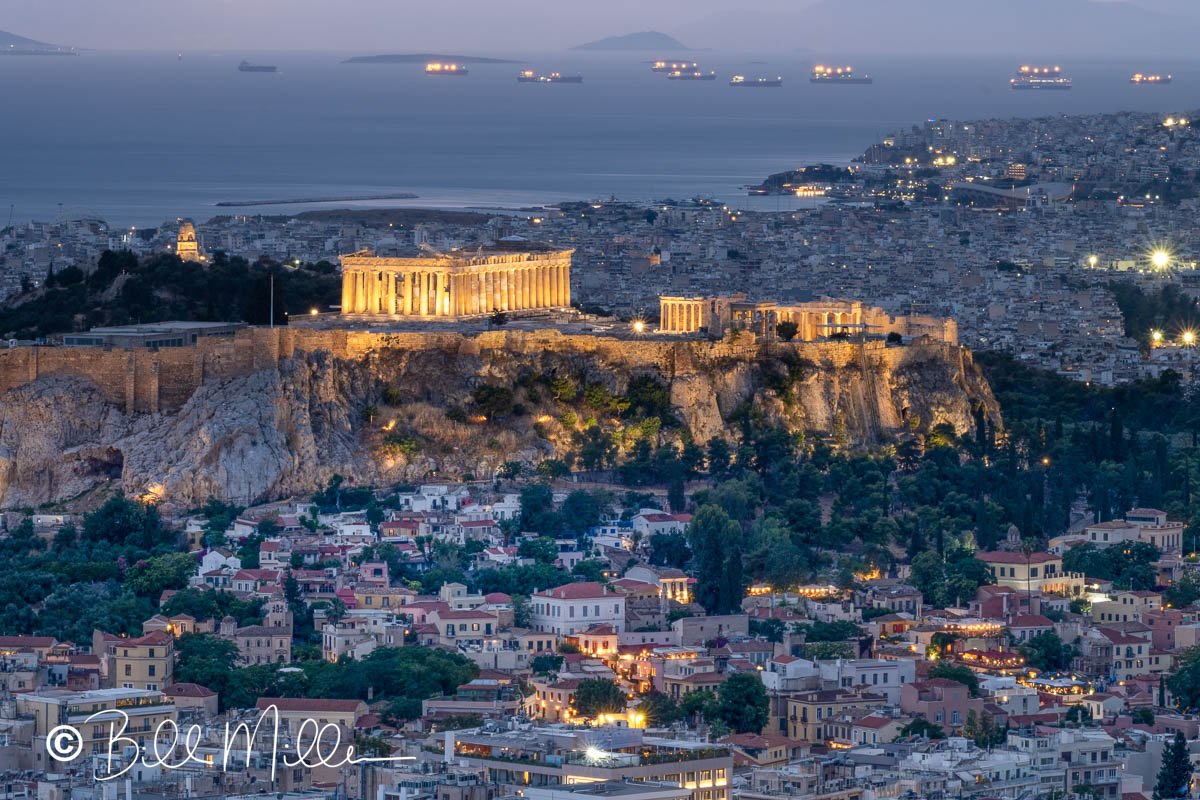
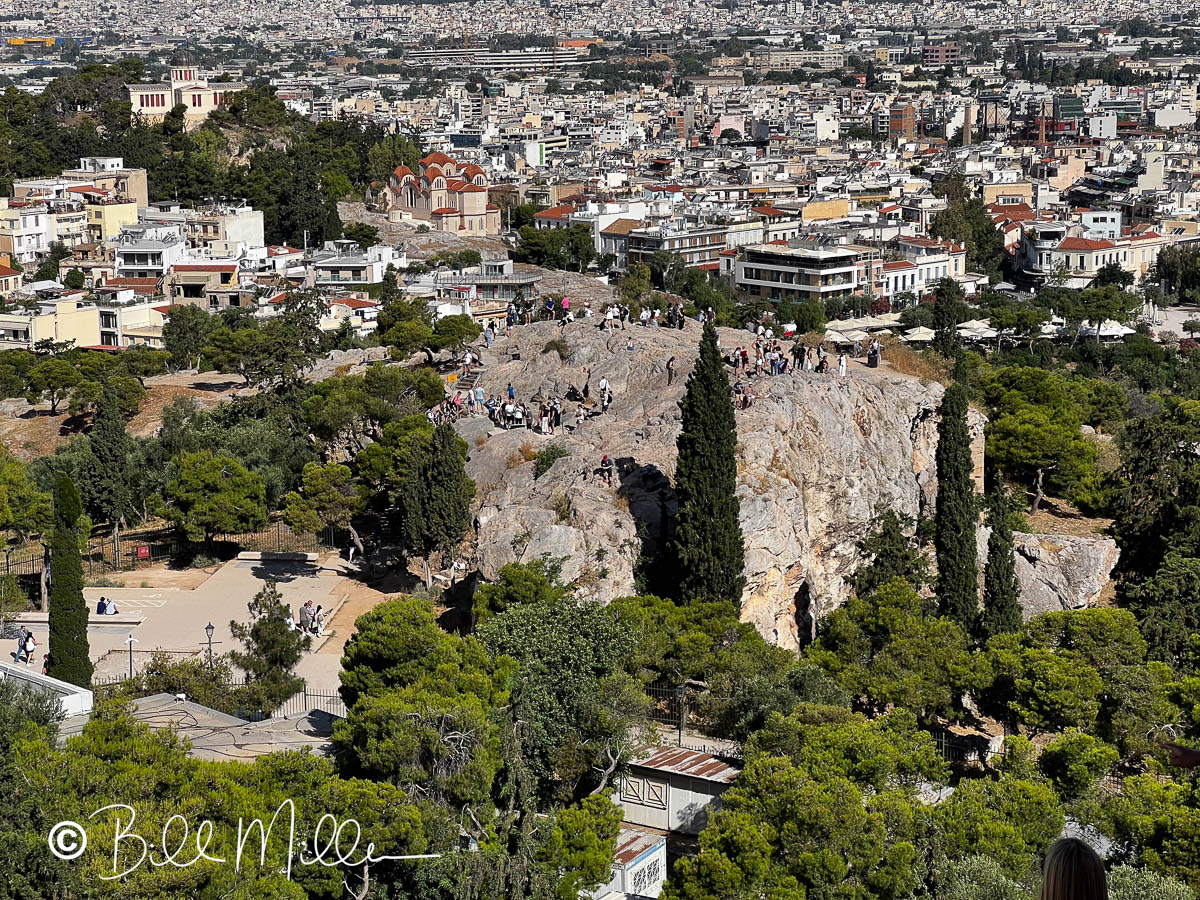
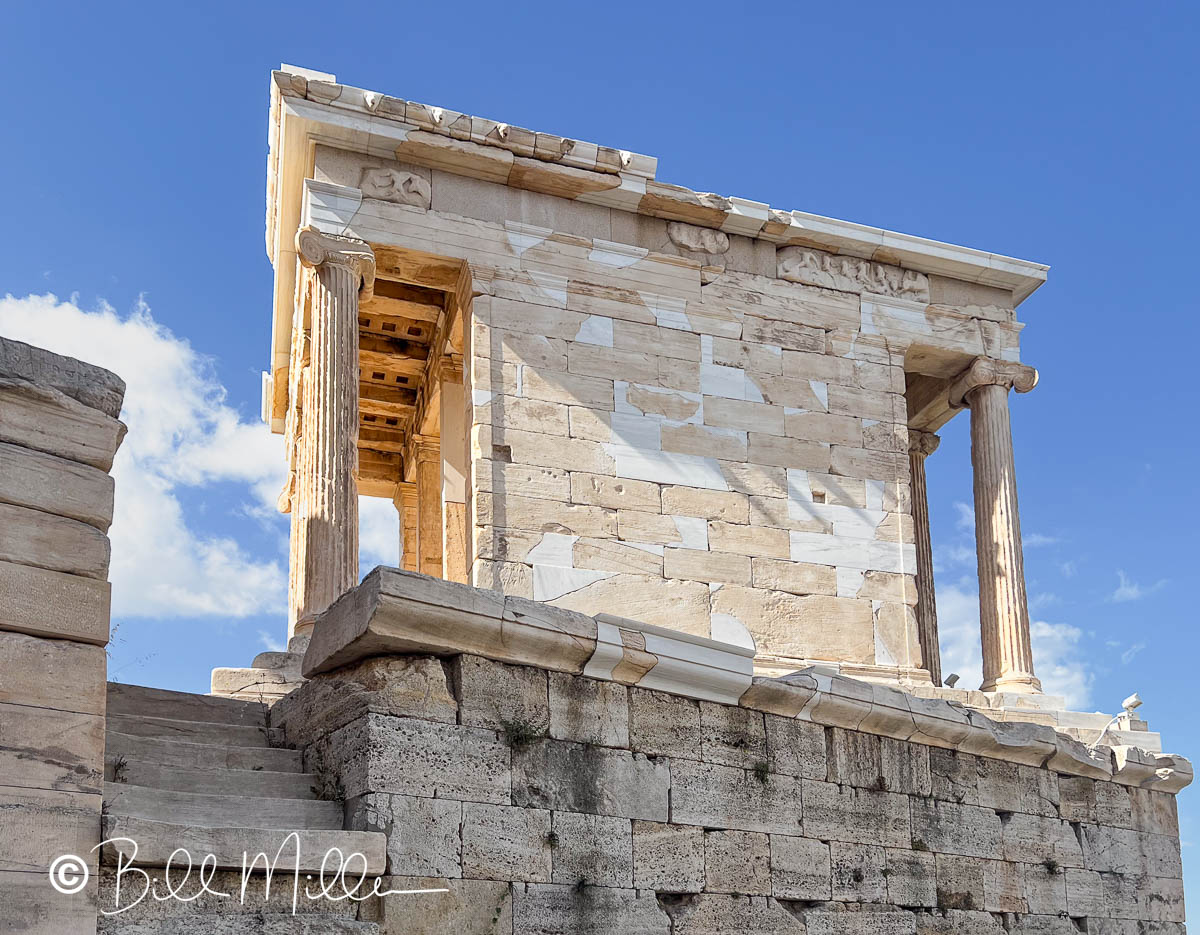
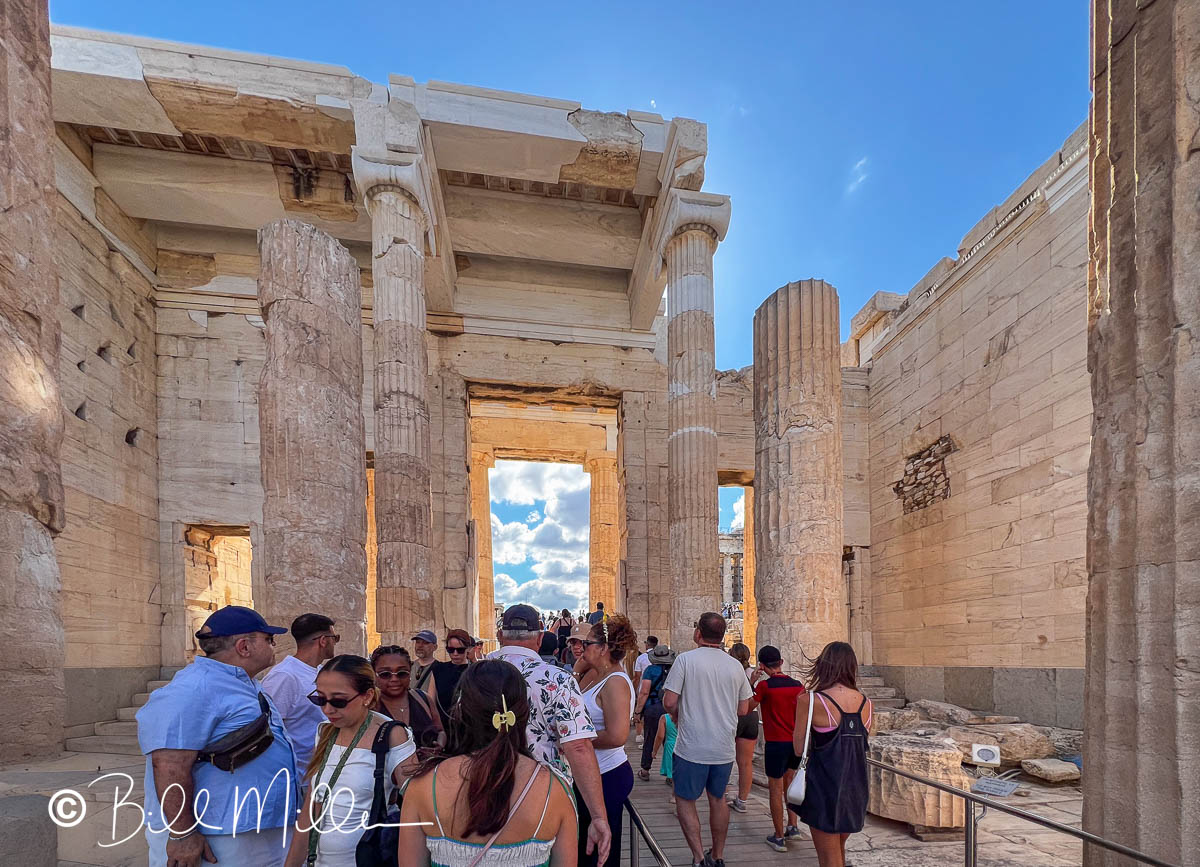
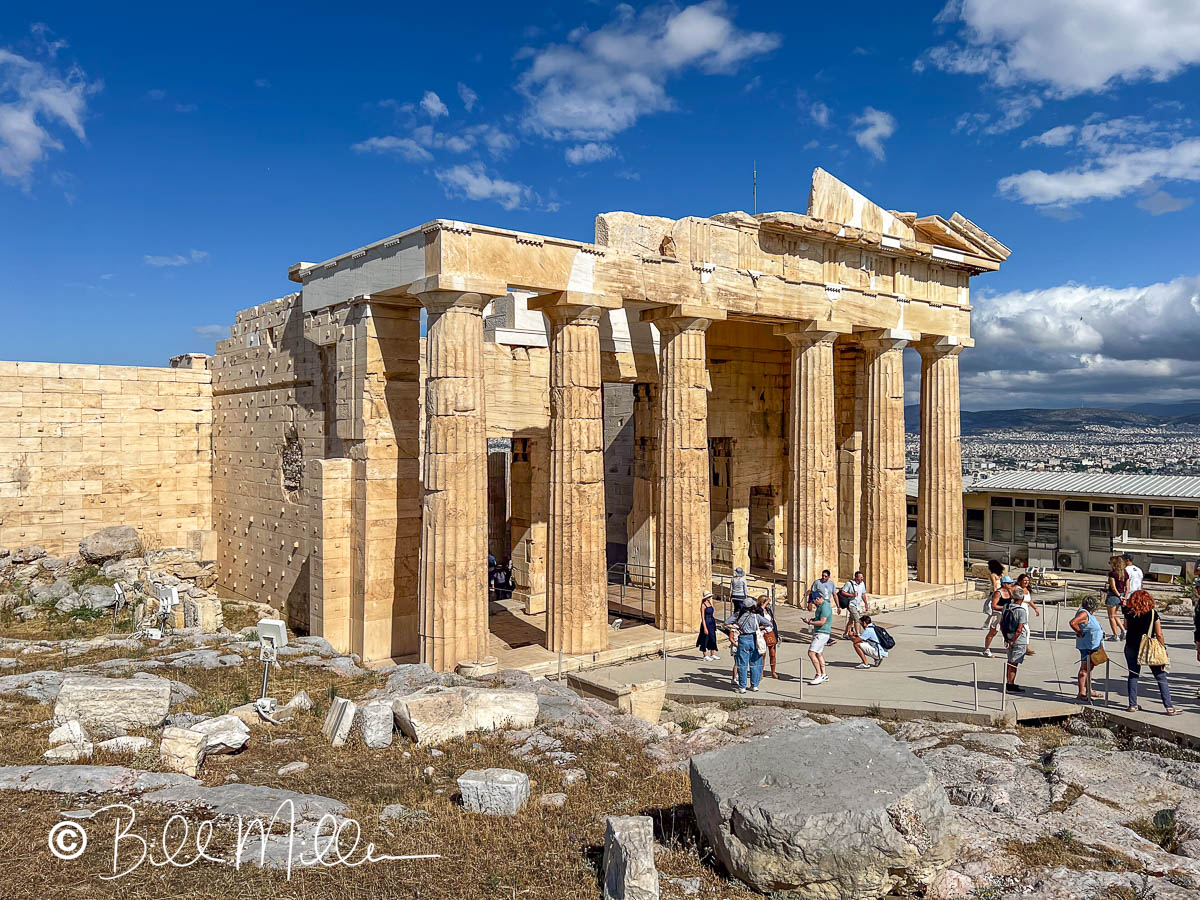
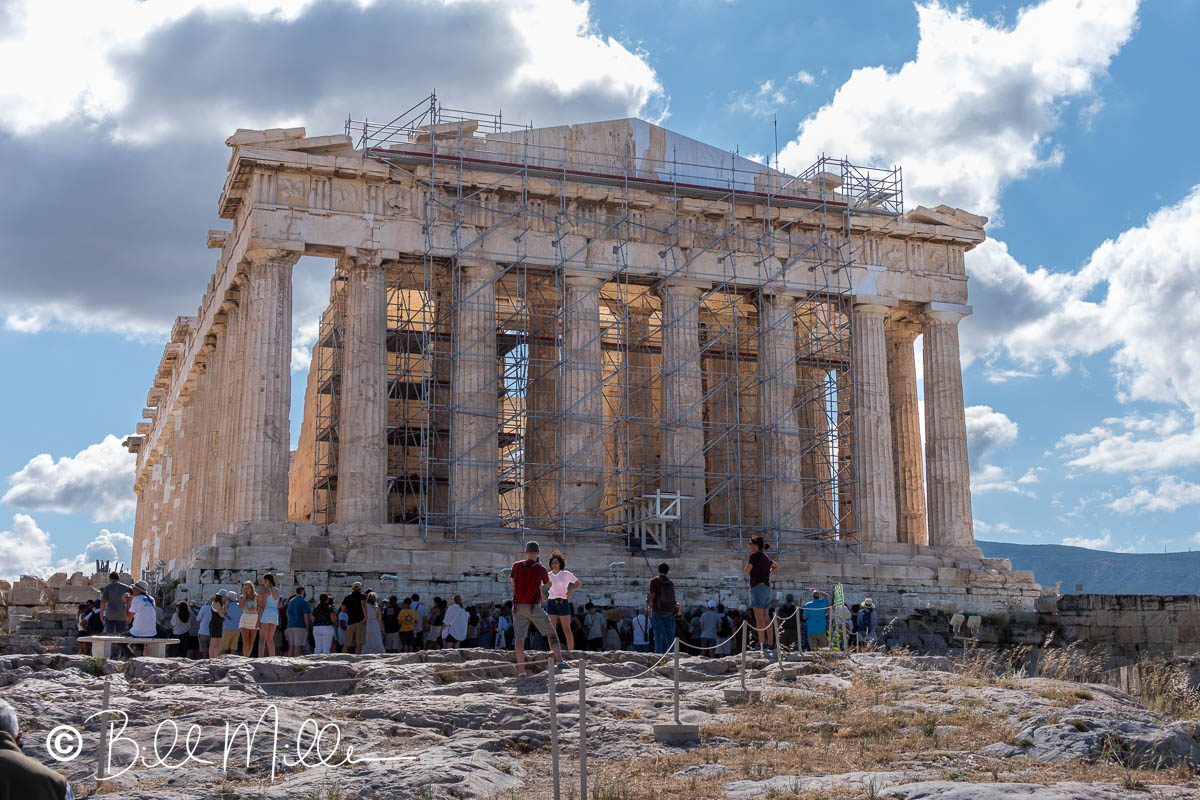
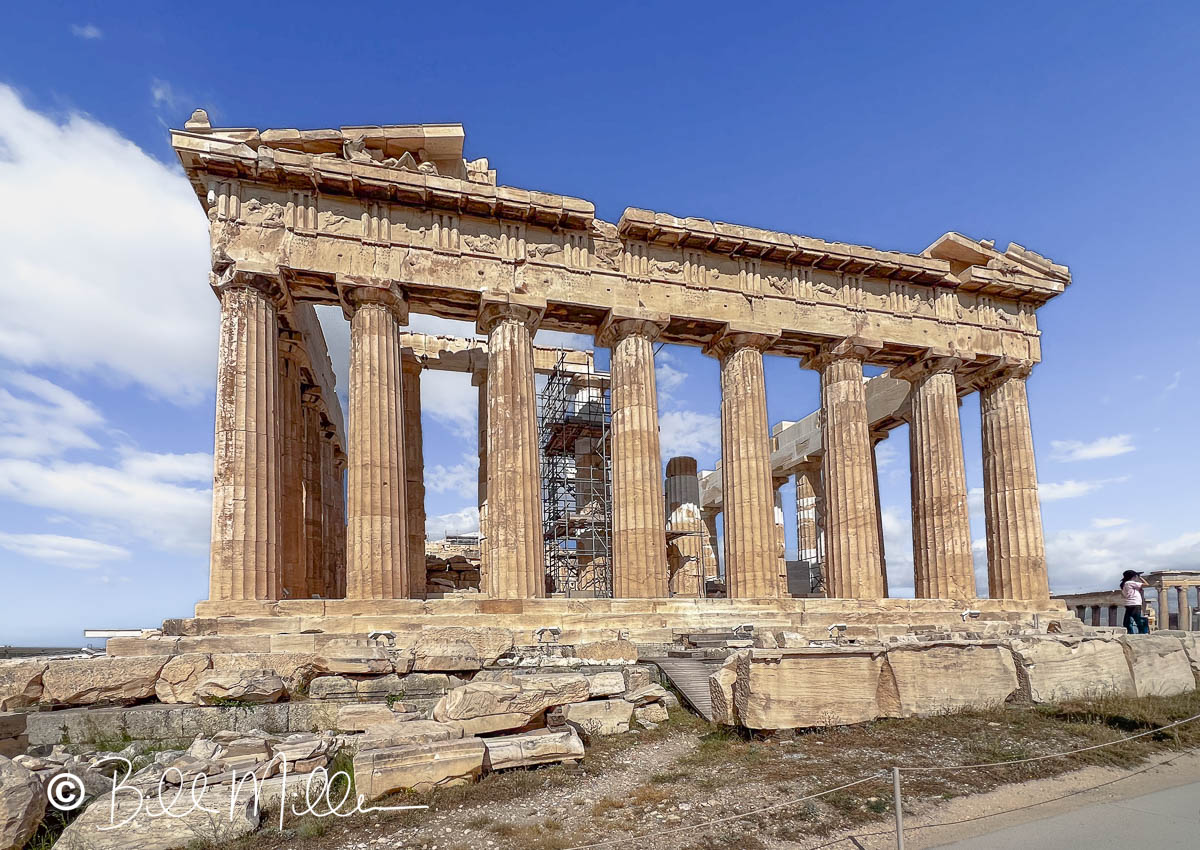
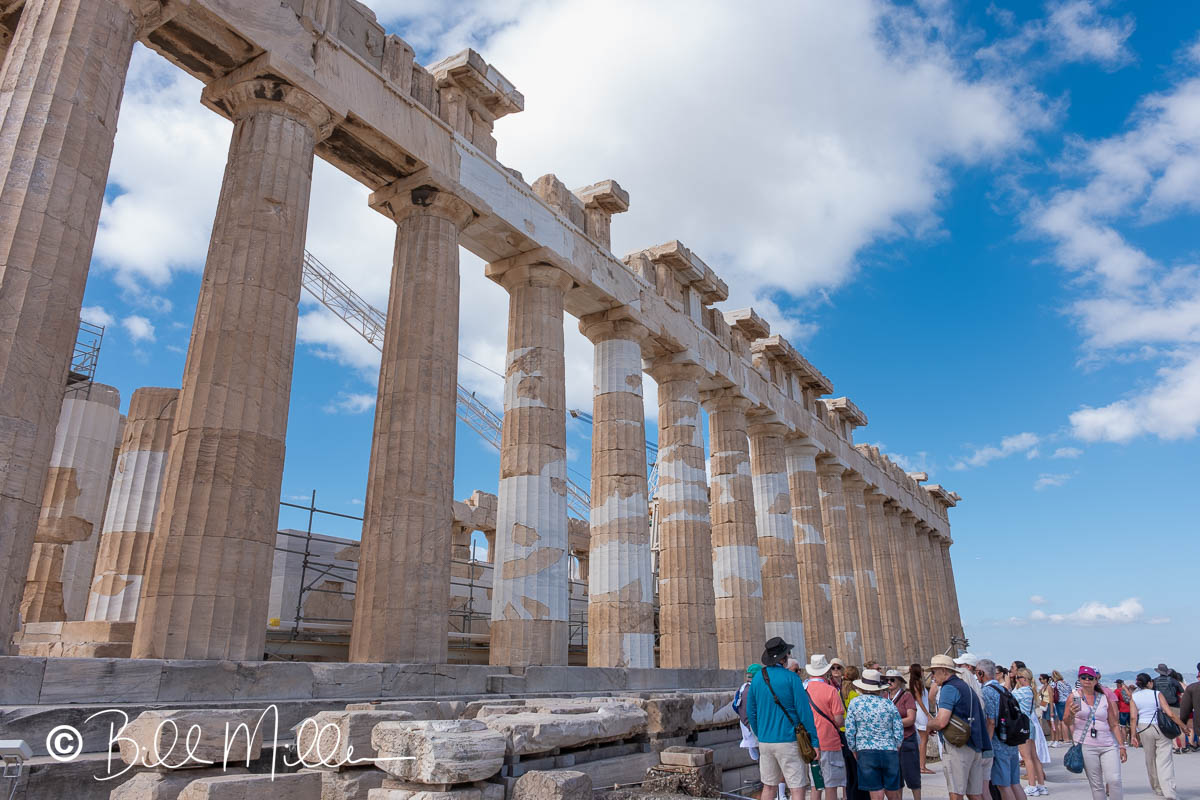
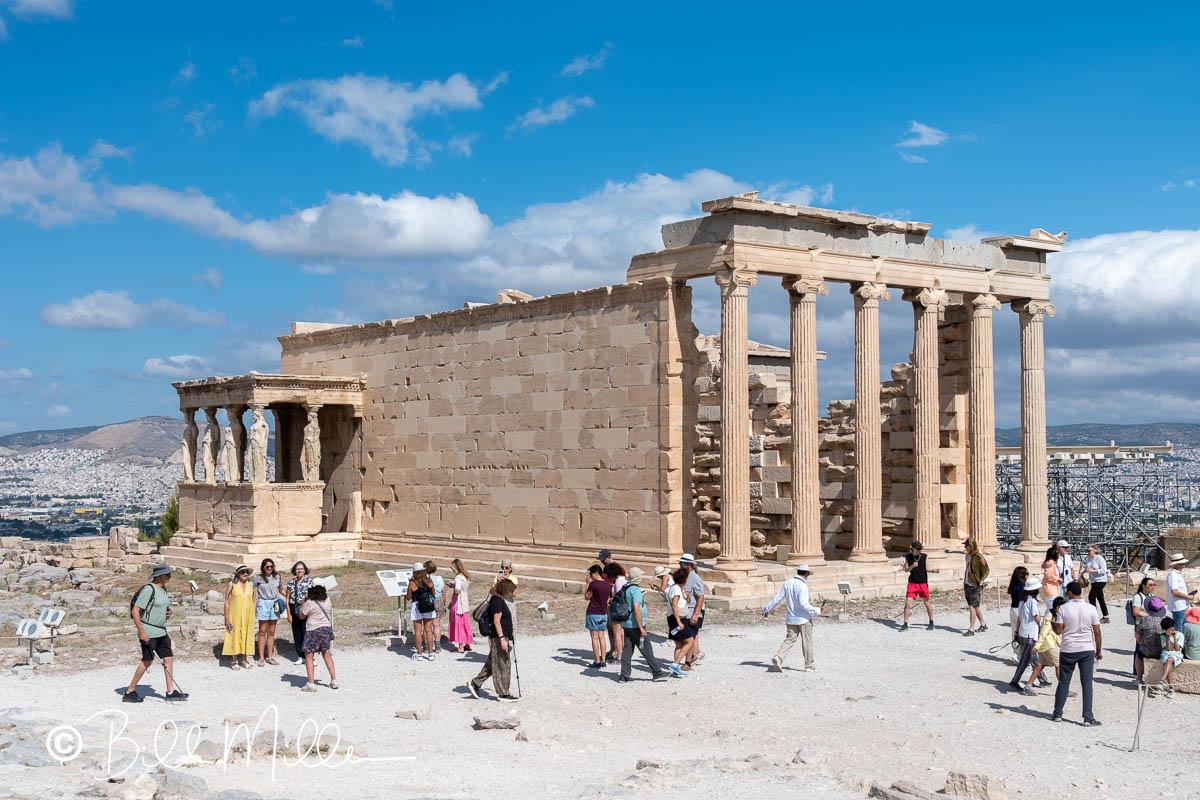
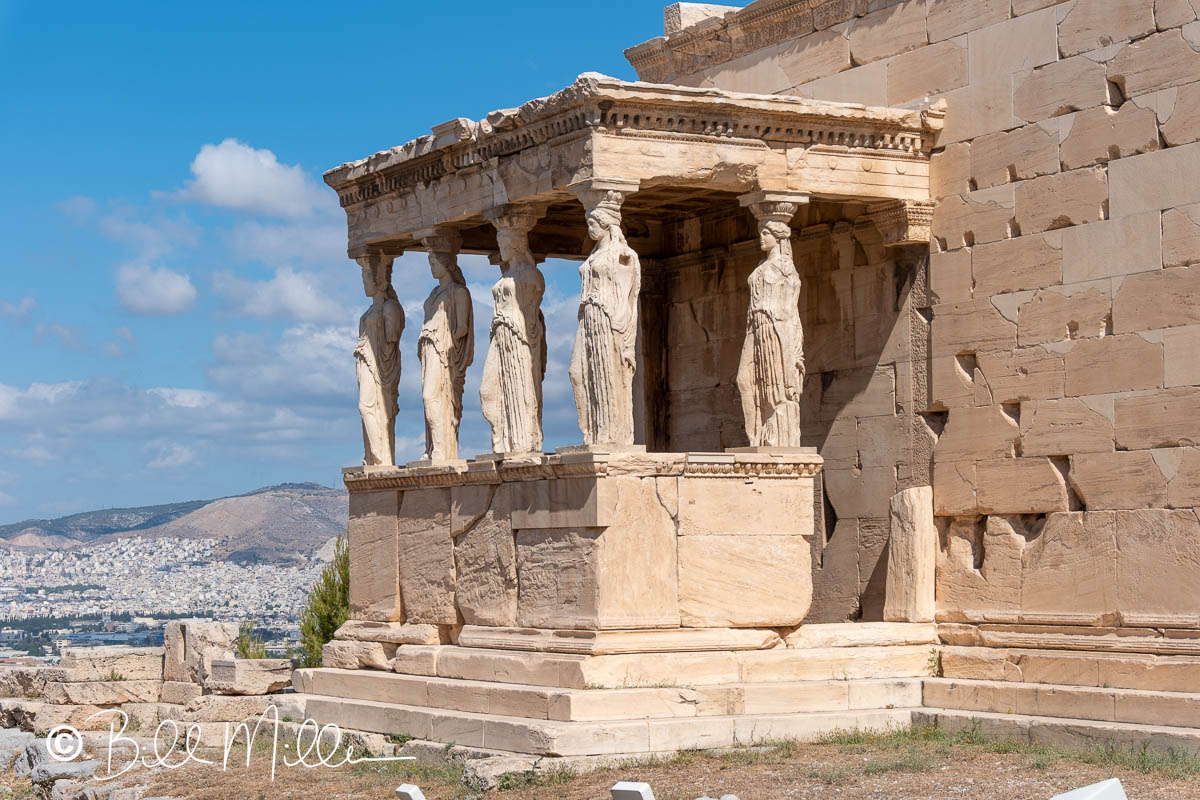
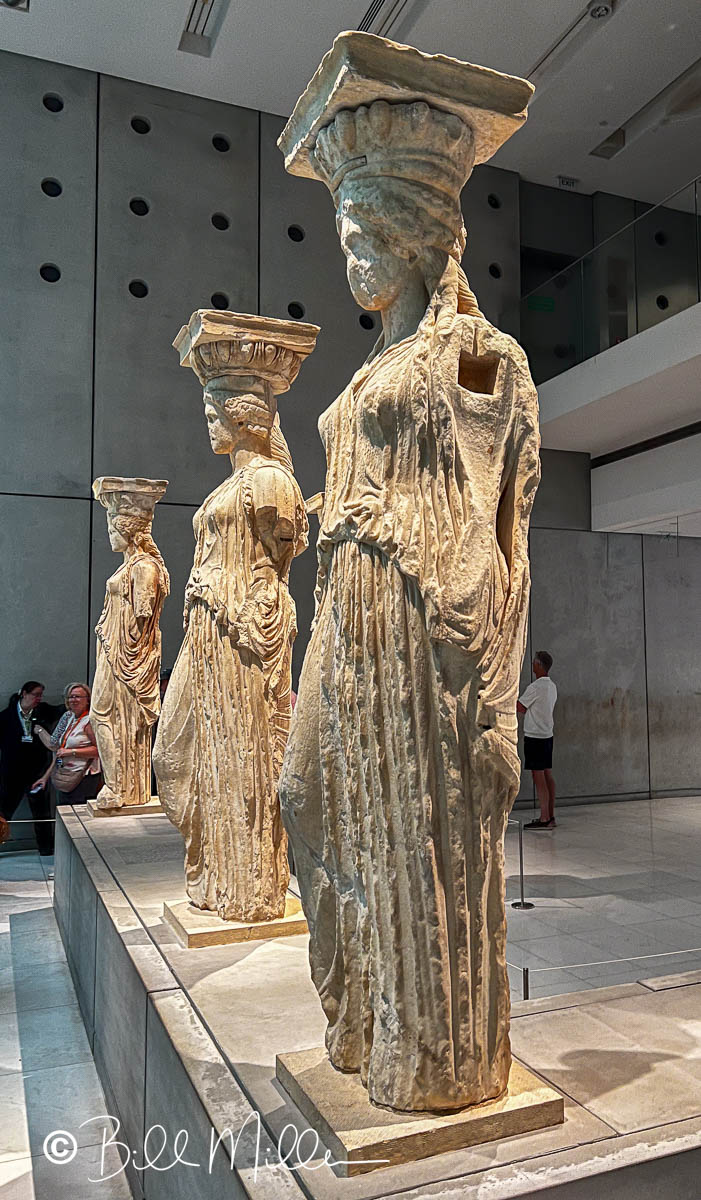
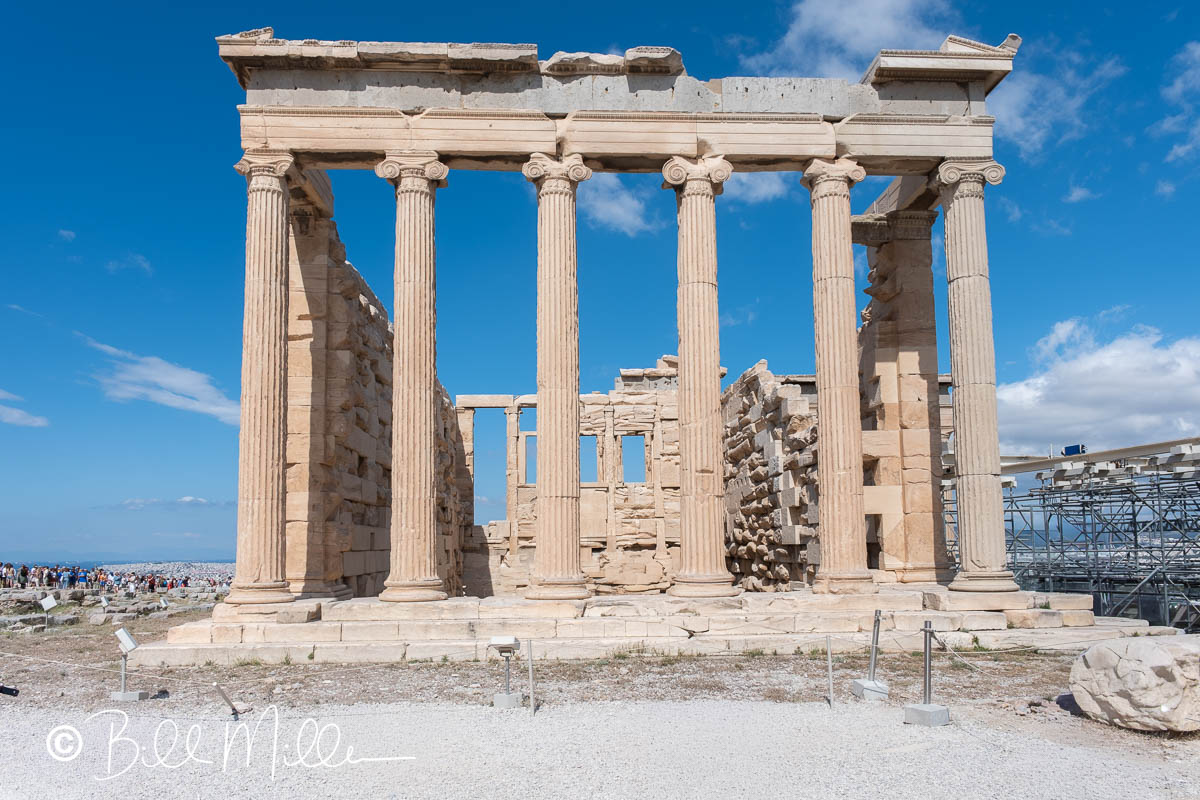
Rising nearly 500 feet above the city center, the Acropolis has been the symbolic heart of Athens for more than 3,000 years. Originally fortified during the Bronze Age, the rocky hill evolved into the city’s most sacred religious center. Following the Persian destruction of 480 BC, the Athenian leader Pericles launched an ambitious rebuilding program that produced many of the masterpieces of Classical Greek architecture still standing today. At the summit is the magnificent Parthenon, dedicated to the goddess Athena, alongside the elegant Erechtheion with its famous Caryatid Porch, the graceful Temple of Athena Nike, and the monumental Propylaea, the grand entrance through which ancient visitors entered the sacred precinct. Together these monuments represent the height of Classical Greek art, architecture, and engineering.
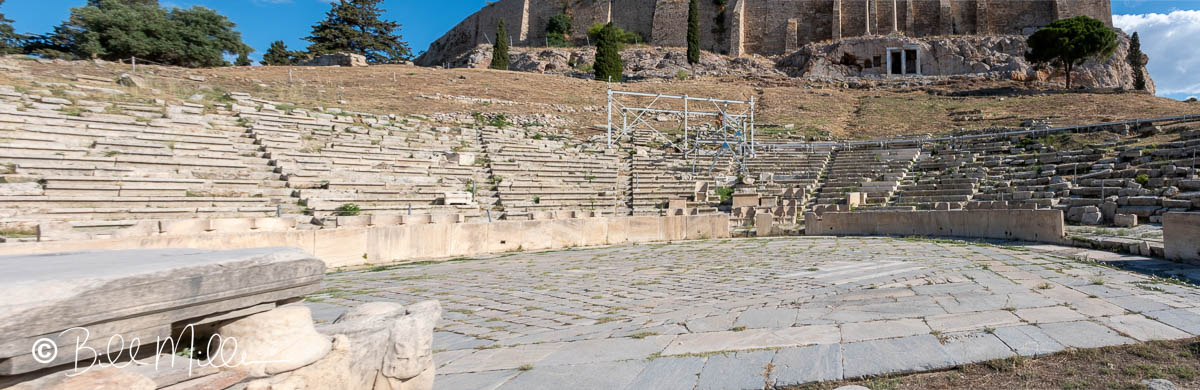
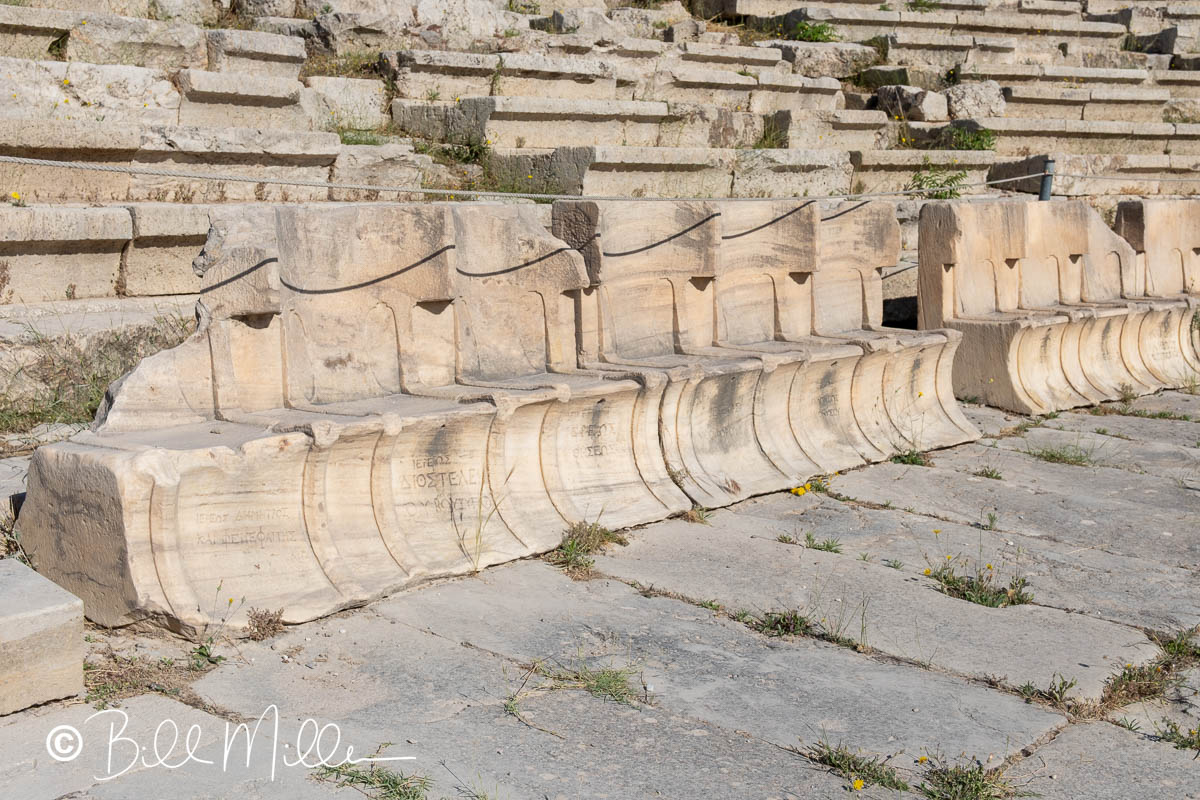
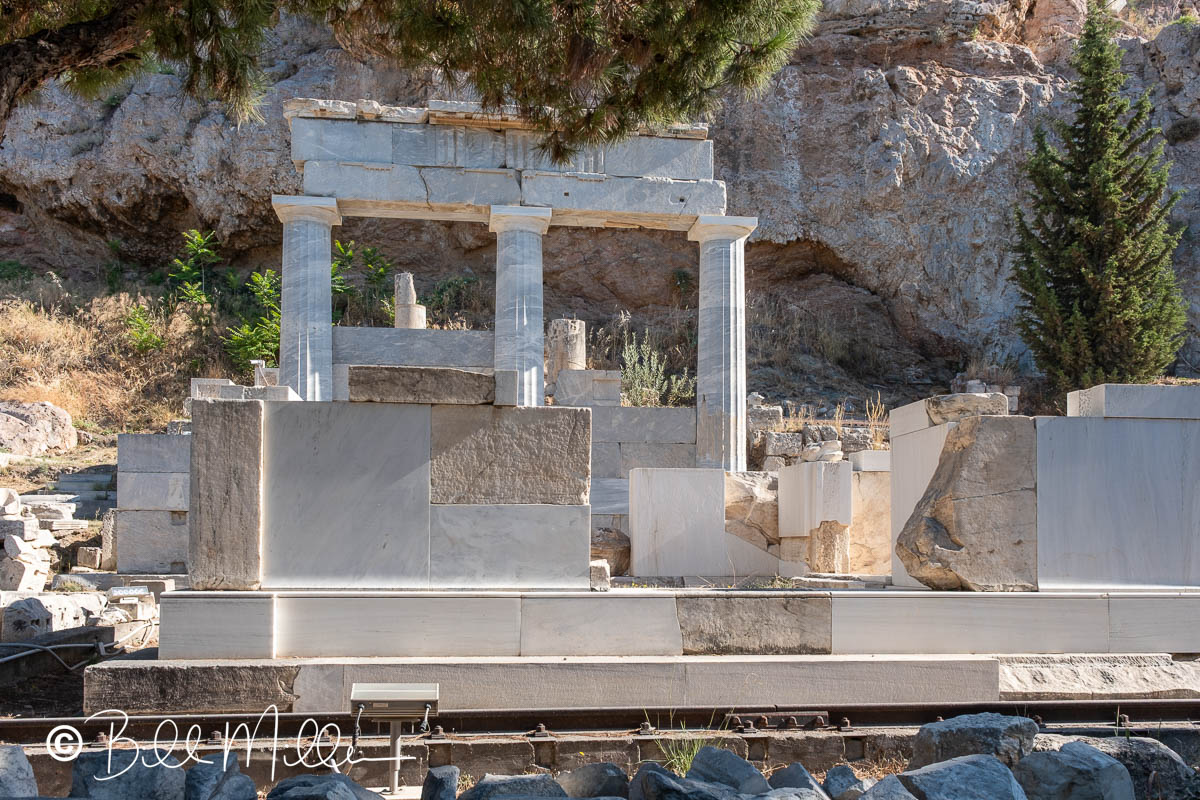
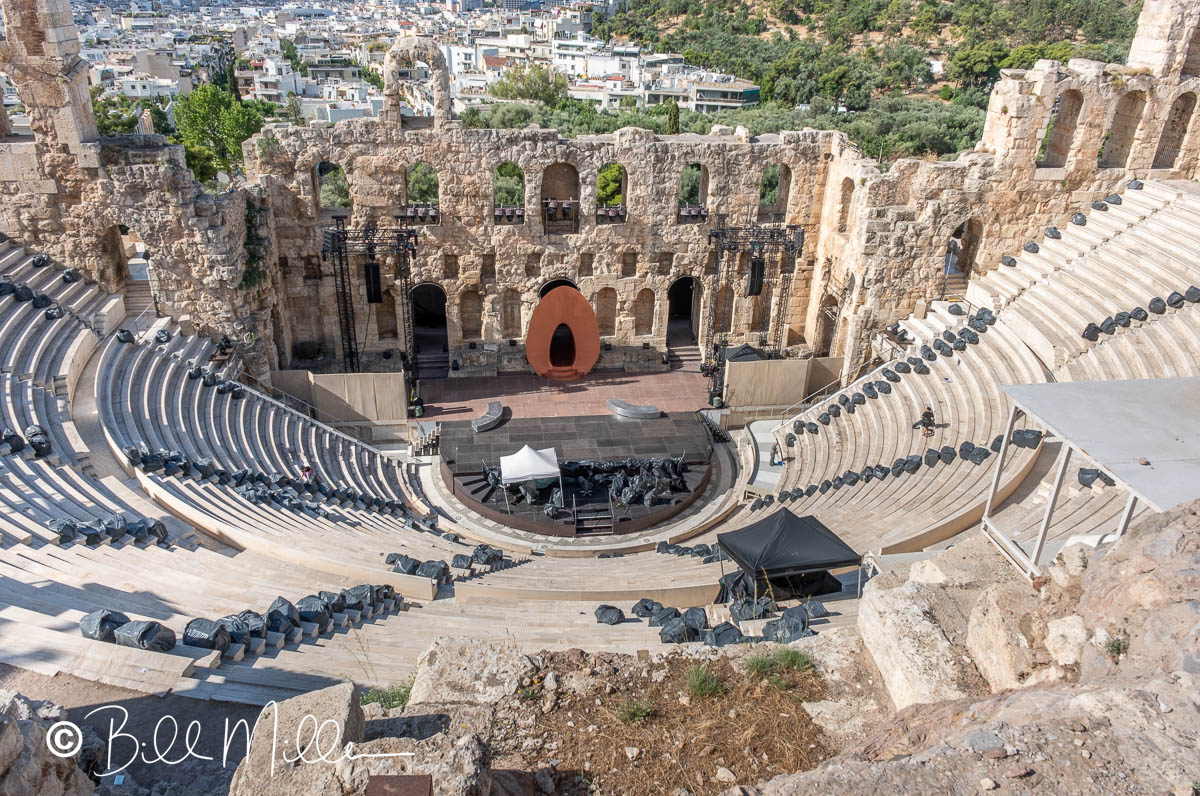
The southern slope of the Acropolis formed the cultural and artistic center of ancient Athens. Here, dramatic performances and musical competitions took place in the open-air Theatre of Dionysus, regarded as the birthplace of Western theater, where the plays of Aeschylus, Sophocles, Euripides, and Aristophanes were first performed. Nearby stands the remarkably preserved Odeon of Herodes Atticus, a Roman theater built in the second century AD that continues to host concerts and performances today. Together, the monuments atop the Acropolis and the theaters on its southern slope tell the story of a civilization whose achievements in democracy, philosophy, art, and drama continue to shape the modern world.
To see how the Acropolis relates to where we stayed and other places where we walked (mostly) and visited, click on the Map of Athens.