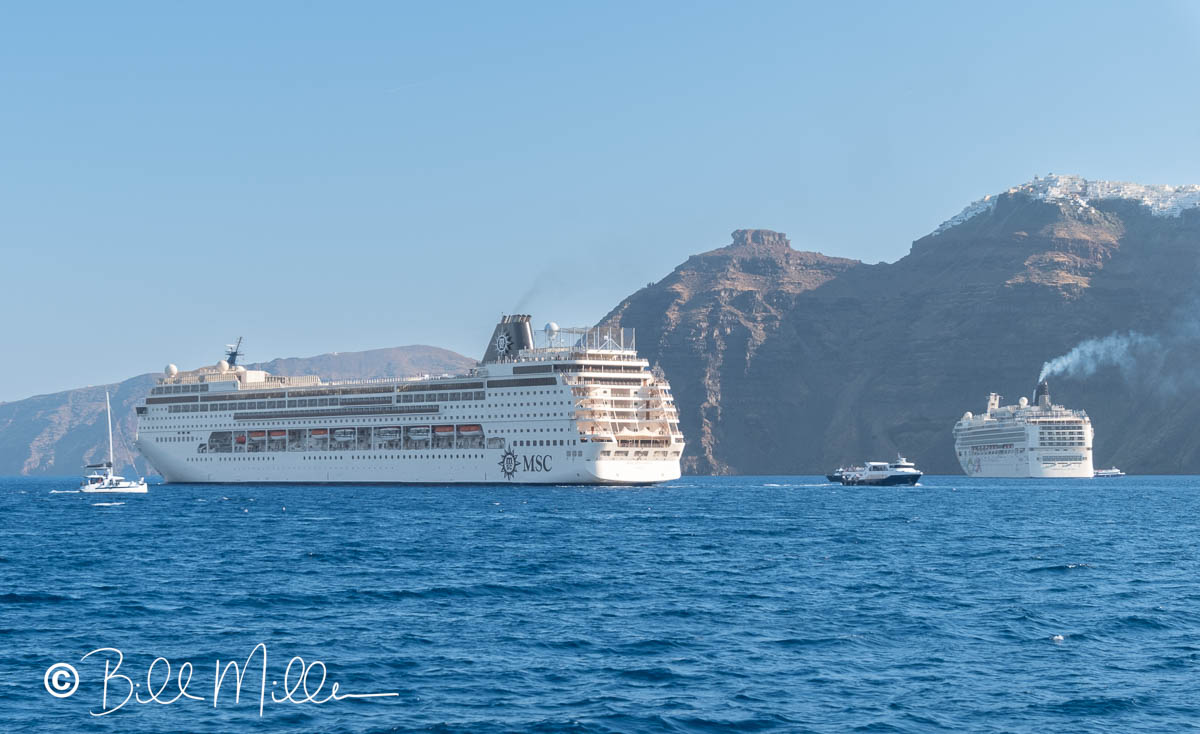
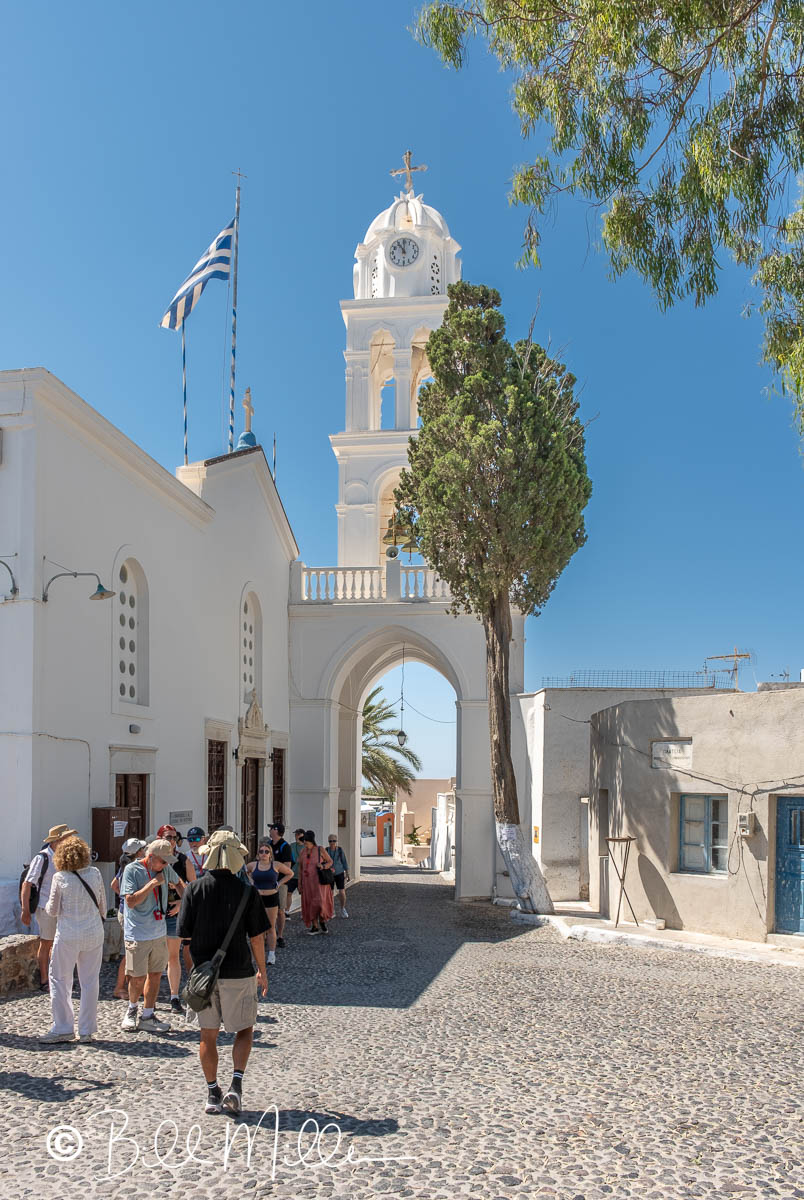
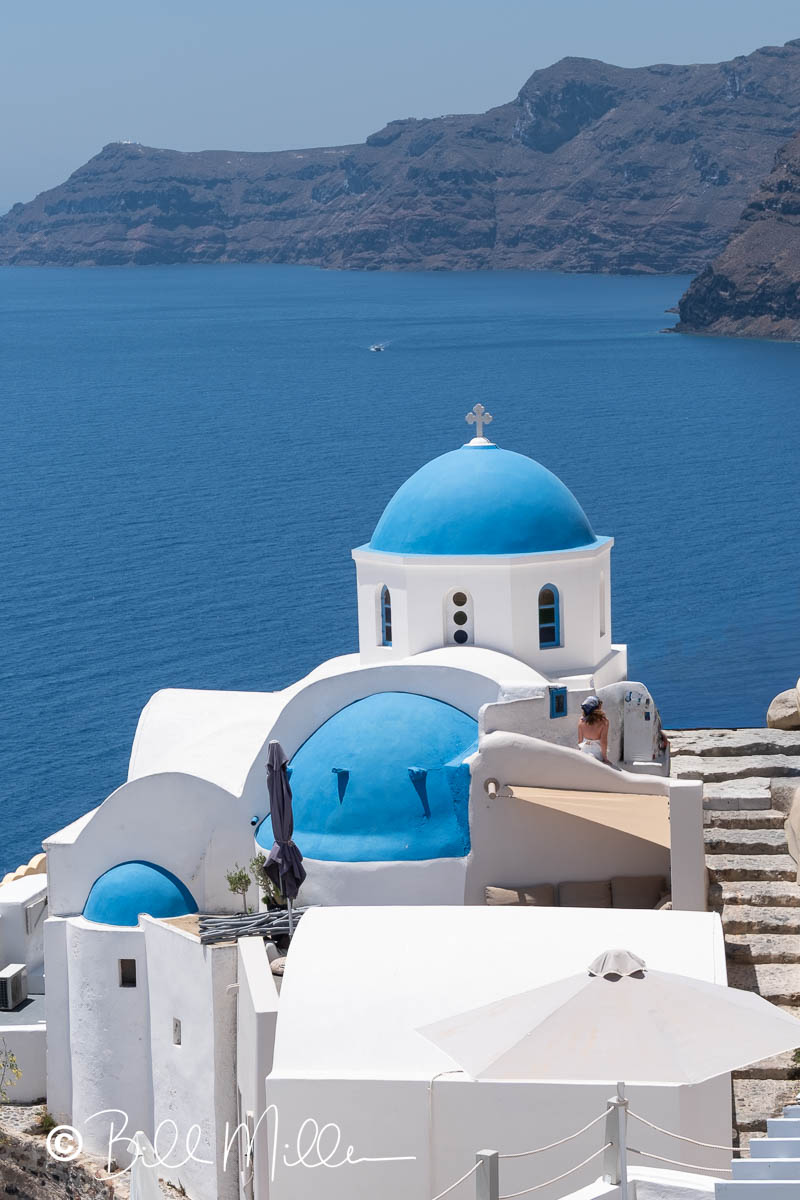
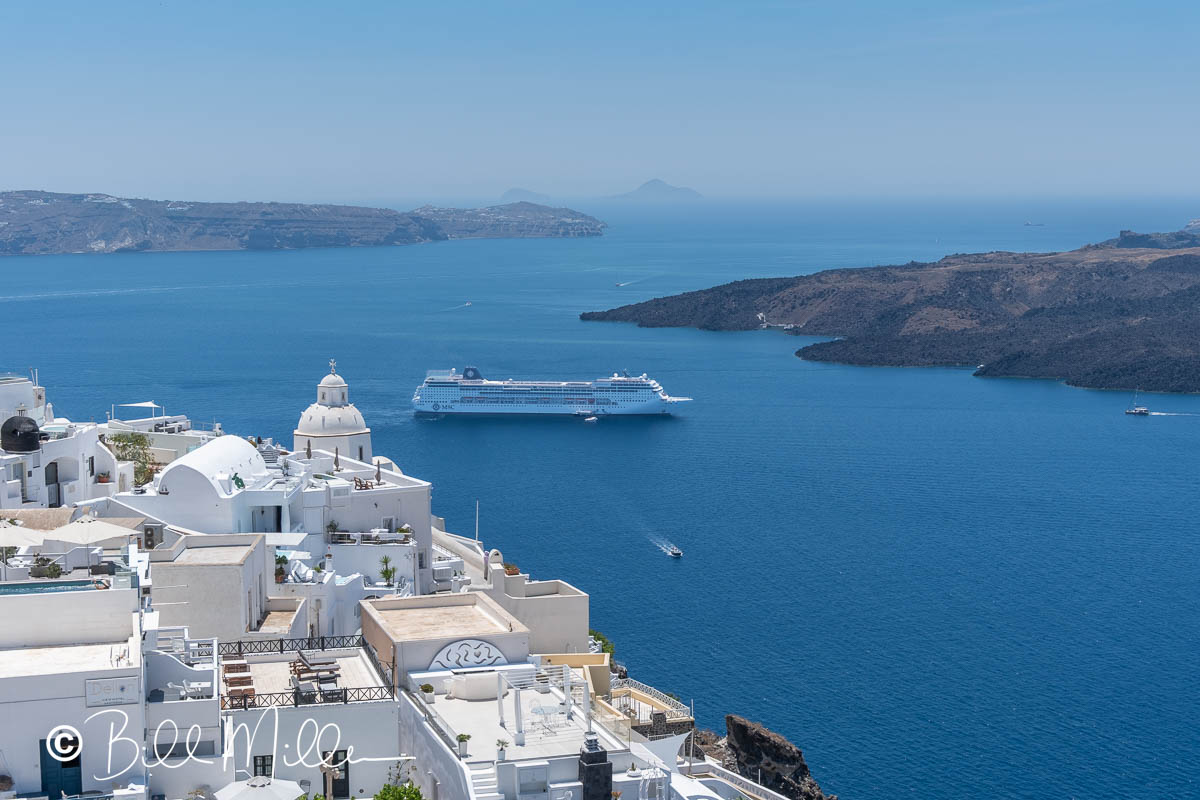
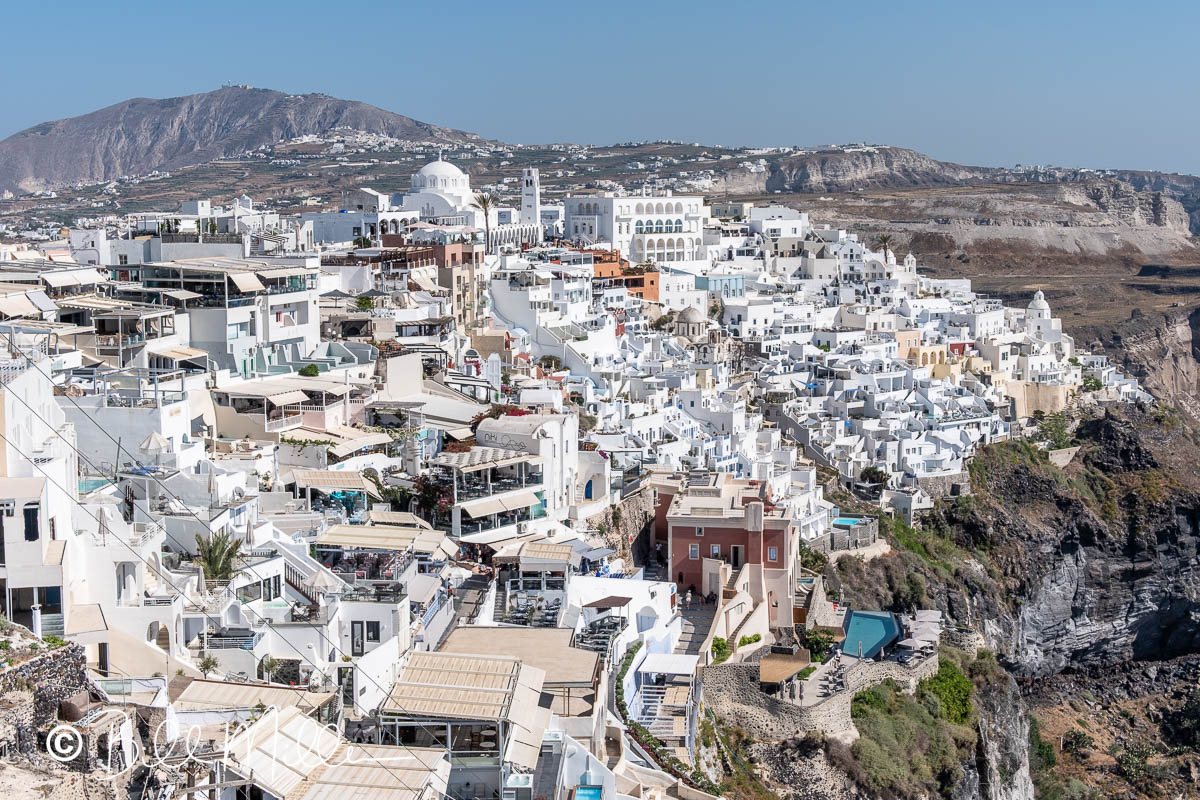
Santorini is one of the most dramatic islands in the Aegean, defined by its steep volcanic cliffs, whitewashed cliff-top towns, and the vast flooded crater of its ancient caldera. The island’s striking shape is the result of one of the largest volcanic eruptions in recorded human history, which caused the central volcano to collapse and form a deep, sea-filled basin surrounded by towering cliffs. Villages like Fira and Oia now cling to the rim, overlooking the caldera where boats move across what was once the heart of a volcanic mountain.
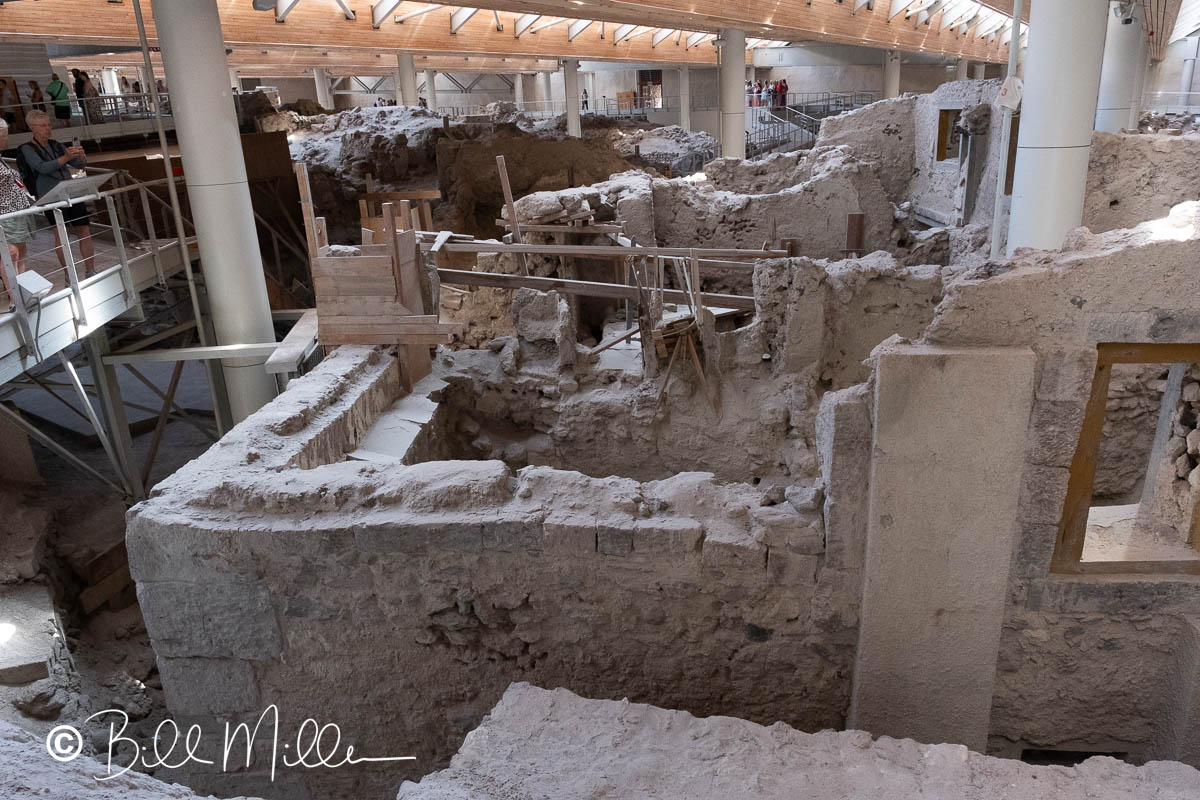
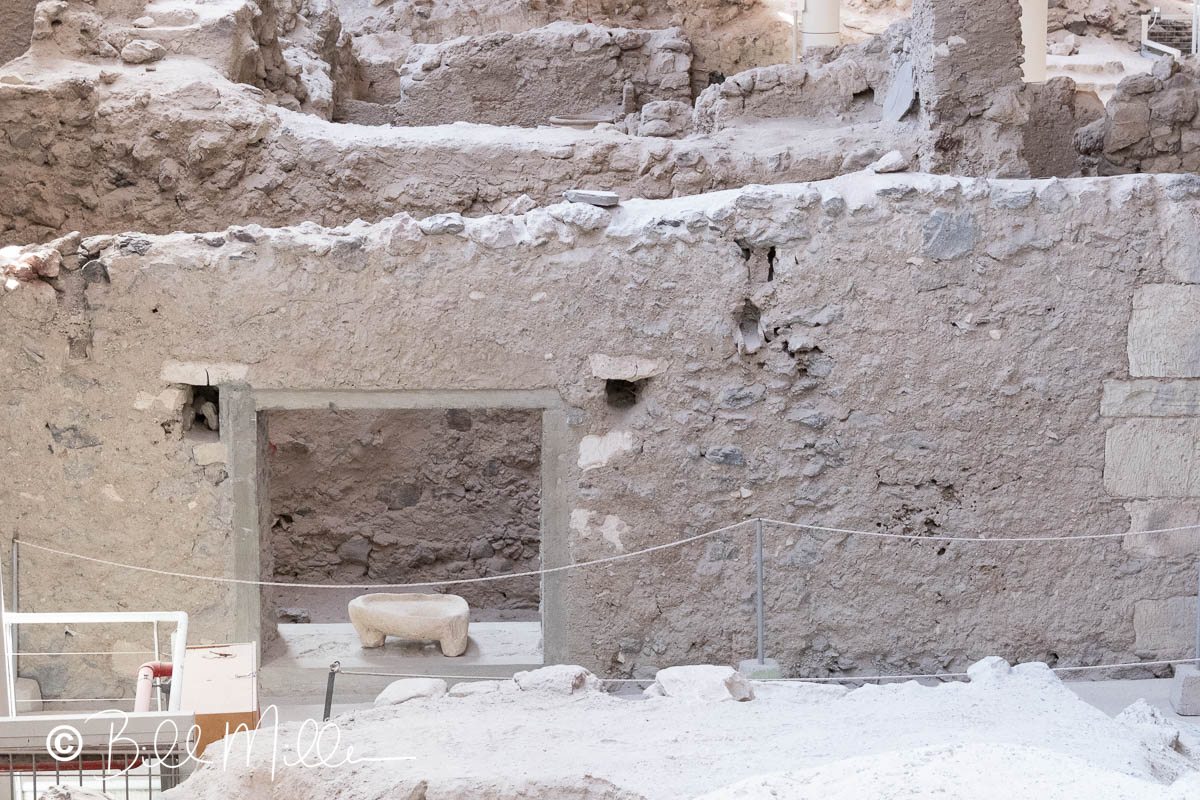
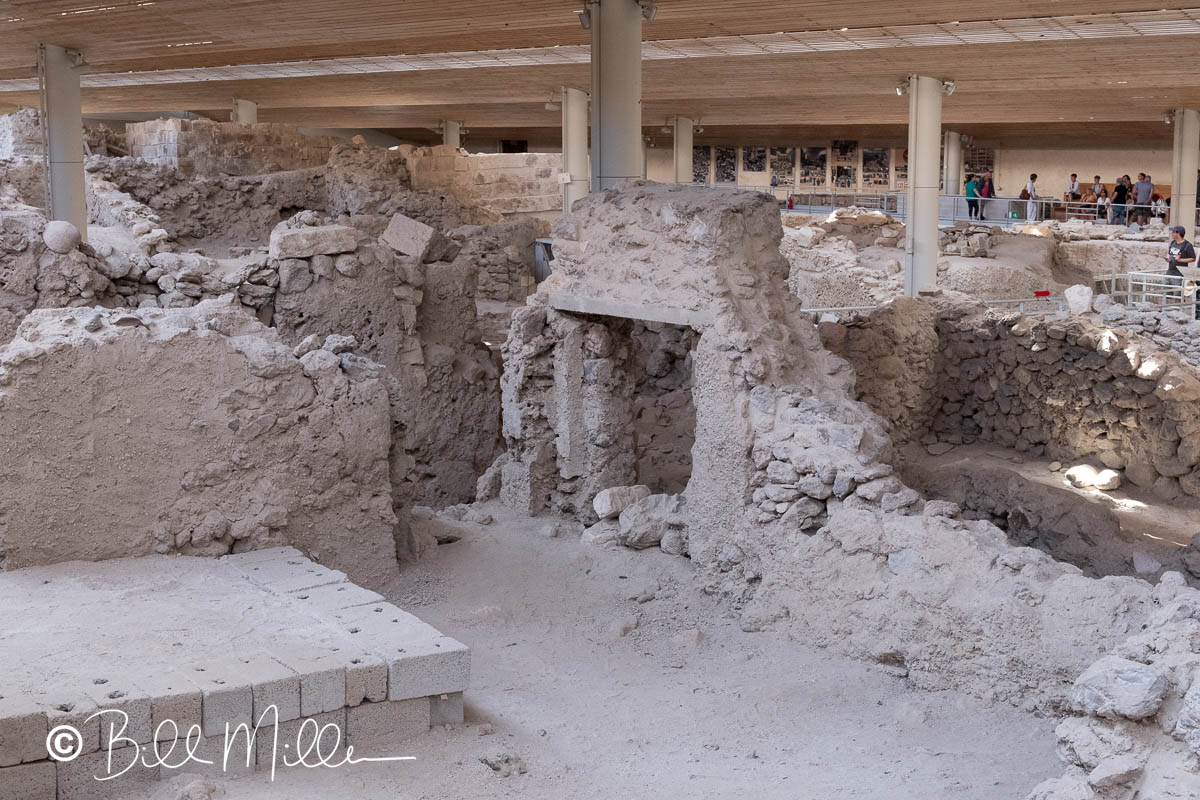
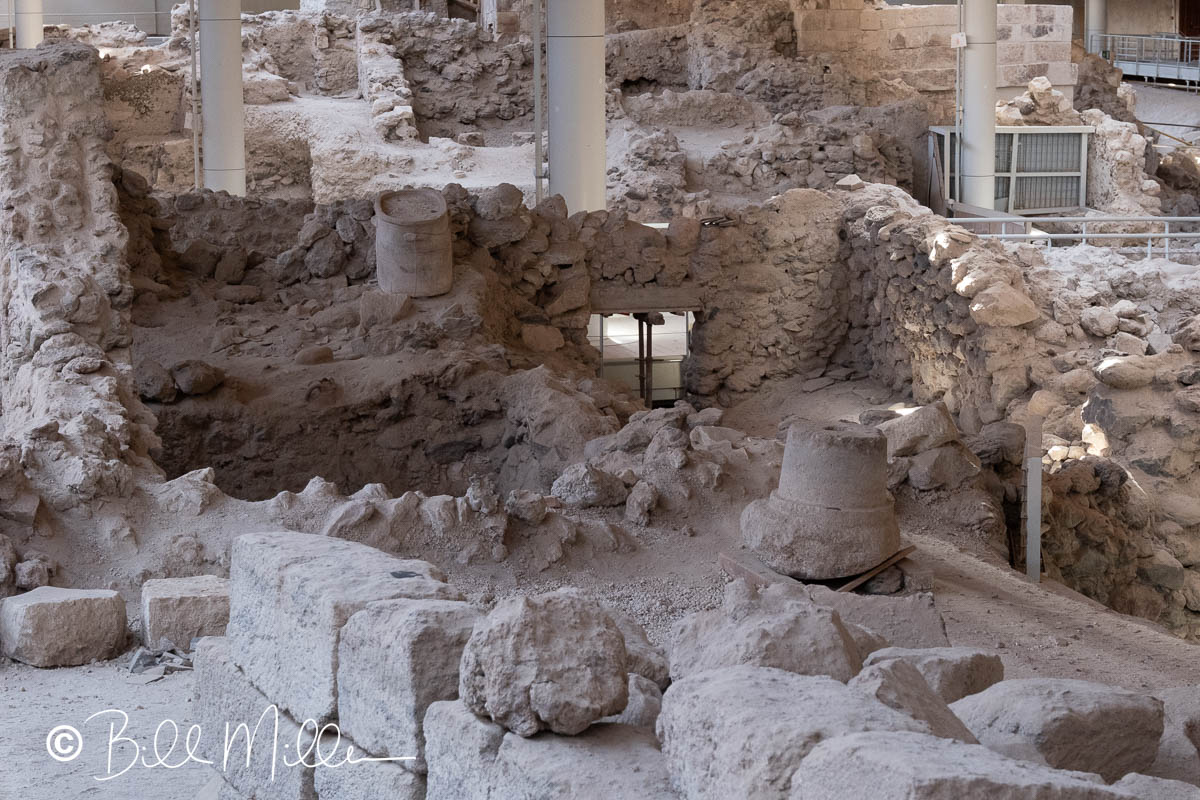
One of the island’s most important archaeological sites is Akrotiri, a Bronze Age settlement often associated with the Minoan civilization. Buried and preserved under volcanic ash around 1600 BCE, it is sometimes called the “Minoan Pompeii” because of its remarkably preserved buildings, fresco fragments, and advanced urban layout. The site reveals a sophisticated ancient city that was abruptly entombed by the same volcanic forces that reshaped the island itself.
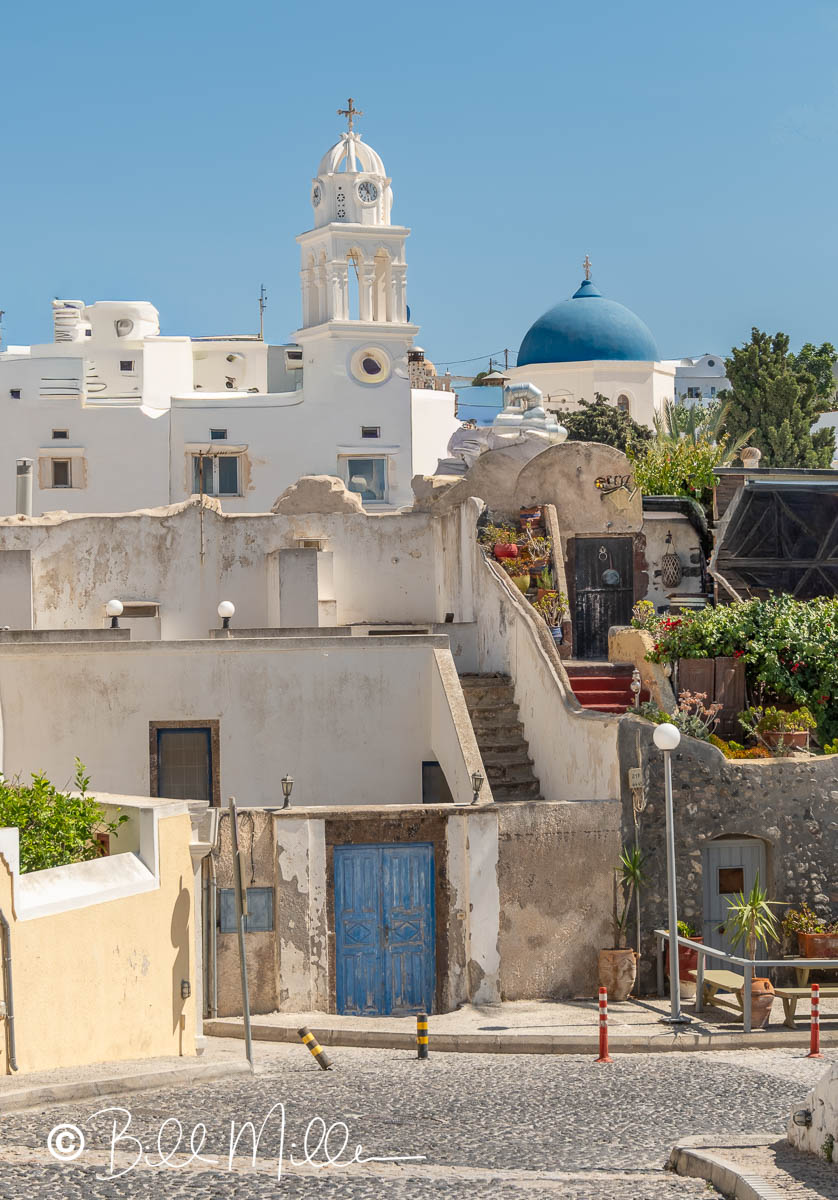
Today, Santorini blends this deep geological and historical legacy with a landscape of whitewashed architecture, terraced vineyards, and stark volcanic beaches of black and red sand. The contrast between the calm beauty of modern life and the violent origins of the island gives it a unique character—where everyday sunsets are set against the rim of a collapsed ancient volcano.